
How Alfani AlfaTech Stretch Fabric Actually Moves With You
You’ve felt it before: a dress shirt that rides up when you reach across a desk, or suit pants that restrict your stride. AlfaTech stretch fabric was designed to solve exactly that problem.
Our fabric engineers built AlfaTech around a bi-directional stretch architecture that moves with your body while maintaining the crisp, structured appearance of traditional woven fabrics. This guide explains what makes AlfaTech different from standard stretch blends and how the fabric actually performs through a full day of wear.
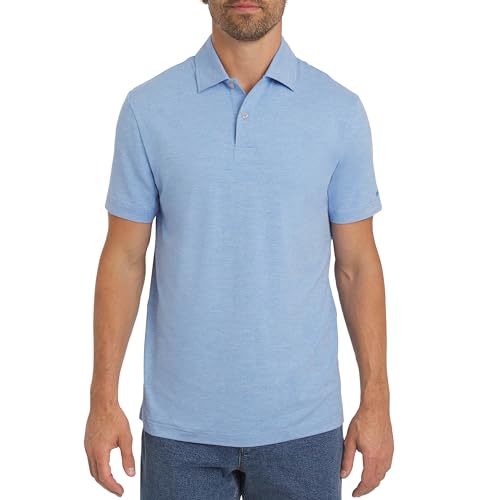
The Engineering Behind Bi-Directional Stretch
AlfaTech fabric stretches in two planes: horizontally across the garment and vertically along its length. This bi-directional capability means the fabric moves with you whether you’re bending forward, reaching overhead, or twisting to one side.
The construction relies on elastane fibers integrated at the yarn level rather than simply blended into the weave. According to material science research published by Elsevier, elastane’s polymer structure allows it to stretch up to five times its original length and return without permanent deformation. We use a 2-4% elastane ratio depending on the garment weight, which provides flex without compromising the fabric’s tailored appearance.
That ratio matters more than you might expect. Too much elastane creates a fabric that feels athletic rather than refined; too little delivers barely noticeable movement. Our slim-fit stretch suit jacket uses the higher end of that range specifically for the shoulder and back panels where range of motion matters most.
Shape Recovery After Extended Wear
Stretch fabrics face one persistent challenge: maintaining their original shape after hours of sitting, walking, and movement. AlfaTech addresses this through what we call memory recovery.
The elastane fibers contract back to their resting state once tension is removed. In practical terms, this means the knees of your dress pants won’t bag out after a long day at a desk, and the elbows of your shirt won’t develop permanent creases. The fabric literally pulls itself back into its designed shape.
This recovery depends on proper care. Heat is elastane’s enemy — high dryer temperatures can break down the polymer bonds that create stretch. If you’re noticing your AlfaTech garments aren’t bouncing back the way they used to, our troubleshooting guide walks through the most common causes and fixes.
We test every AlfaTech fabric through 50 stretch-and-release cycles before it reaches production. The fabric must return to within 2% of its original dimensions after each cycle to pass our standards.
Where You’ll Notice the Difference Most
AlfaTech’s movement advantage shows up most clearly in three specific situations: sitting in a car or at a desk for extended periods, reaching overhead to retrieve items, and moving quickly through crowded spaces.
The crotch and seat area of pants benefit dramatically from horizontal stretch. Standard woven fabrics pull and bind when you sit; AlfaTech expands slightly to accommodate the position without creating visible stretch marks or stress lines. Stand up, and the fabric contracts back to its tailored fit.
Shoulder and back panels in our dress shirts and suit jackets use the same principle. When you reach forward or lift your arms, the fabric gives rather than pulling the garment up your torso. Our travel stretch T-shirts take this even further with four-way stretch that moves in every direction, though that level of flexibility isn’t appropriate for tailored business wear.
The collar and cuffs remain structured without stretch. These areas need stability to maintain their shape and appearance throughout the day, so we use traditional woven construction there while building stretch into the body panels.

Comparing AlfaTech to Standard Dress Fabrics
Traditional dress shirts use 100% cotton or cotton-polyester blends with zero stretch. These fabrics rely entirely on the garment’s cut and sizing to provide fit. If your shoulders are broad relative to your waist, a shirt that fits your chest will often pull tight across the back.
AlfaTech removes that compromise. The fabric accommodates a range of body shapes and movements without requiring a looser, less tailored fit. You can size a garment for its appearance rather than building in excess fabric to allow for movement.
Some competing stretch fabrics use a higher elastane percentage — 5-8% or more. These read as athletic or casual rather than professional. The hand feel is noticeably elastic, and the fabric tends to cling rather than drape. We’ve found that staying below 4% elastane maintains the weight and structure expected in business clothing while still delivering meaningful stretch.
If you’re weighing the fit characteristics of different dress shoe styles alongside your clothing choices, our comparison of the Theo and Quinn cap-toe oxfords covers how each silhouette complements tailored versus more relaxed AlfaTech pieces.
AlfaTech’s Real-World Performance
AlfaTech stretch fabric delivers on a specific promise: maintaining a tailored, professional appearance while moving with your body throughout the day. The bi-directional stretch architecture and shape recovery distinguish it from both traditional dress fabrics and more casual athletic blends.
The fabric’s performance depends on appropriate care — cold water washing and low-heat drying preserve the elastane fibers that create stretch. Follow those guidelines, and AlfaTech garments maintain their fit and recovery properties through years of regular wear.
We built AlfaTech around the reality that modern professionals need clothing that works as hard as they do without sacrificing the polished look expected in business environments. The fabric handles that balance by stretching only when needed and returning to its tailored shape the moment tension releases.
Common Questions About AlfaTech Movement and Recovery
No, when washed according to care instructions. The elastane fibers that create stretch are heat-sensitive, so we recommend washing in cold water and air-drying or using low heat in the dryer.
High heat can break down elastane’s polymer structure over time, reducing its ability to snap back. Follow the garment’s care tag, and the fabric will maintain its recovery properties through dozens of wash cycles.
AlfaTech typically provides 10-15% stretch in both directions before reaching resistance. That’s enough to accommodate full range of motion in normal activities without the fabric feeling loose or athletic.
You won’t notice the stretch when standing still — the fabric looks and feels like traditional woven material. You’ll feel the difference when you move, bend, or reach.
Yes, with medium heat. Elastane withstands ironing temperatures below 300°F without damage.
Use a pressing cloth if you’re concerned about shine, and avoid leaving the iron in one spot for extended periods. Steam is safe and effective for removing wrinkles from AlfaTech fabrics.
Yes, especially in cotton-blend versions. The elastane content is low enough that it doesn’t significantly affect breathability compared to non-stretch fabrics of the same weight.
Our lighter-weight AlfaTech dress shirts use a finer yarn gauge that increases airflow while maintaining the stretch properties. Heavier suit jacket fabrics naturally breathe less but aren’t noticeably different from traditional suiting materials.
Somewhat, but it’s not wrinkle-free. The elastane content does help the fabric resist creasing because it wants to return to its original flat state.
You’ll still see wrinkles after packing a garment in a suitcase or wearing it through a long day. The advantage is that those wrinkles tend to hang out more quickly than they would in 100% cotton.
Minimal pilling with proper care. We use long-staple cotton and tightly twisted yarns to reduce pilling, and the elastane itself doesn’t contribute to surface fiber breakage.
Washing inside out and avoiding overloading the machine helps prevent the friction that causes pilling. If you do notice pills forming, a fabric shaver removes them without damaging the underlying material.