
Alfani AlfaTech Stretch Polo Shirt Won’t Hold Shape? Here’s the Fix
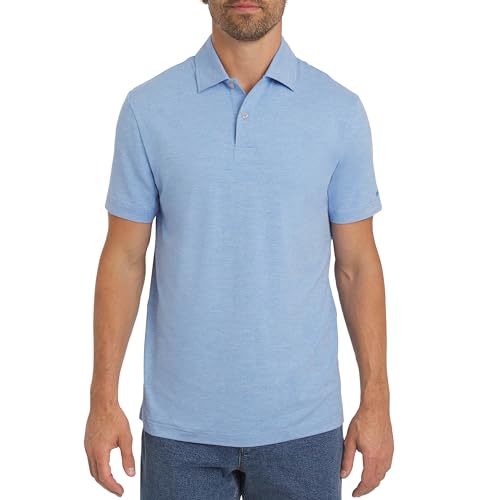
A well-fitted corduroy pant and a sharp polo are both wardrobe staples that deserve proper care. When you notice your Alfani AlfaTech Stretch Polo starting to bag at the elbows or stretch at the collar, you’re seeing the cumulative effect of heat, tension, and fiber fatigue.
We designed the AlfaTech line with stretch performance fabric to move with you through long days, but even engineered fibers need the right maintenance to retain their original fit. In this guide, we’ll walk through why your polo shirt is losing shape, how to bring it back, and what daily habits prevent the problem from returning.
Why Stretch Fabric Loses Its Shape Over Time
The AlfaTech fabric relies on a blend of cotton and elastane fibers that expand and contract as you move. Each stretch cycle stores a tiny amount of mechanical memory in the yarn.
Heat from a dryer or hot water breaks down elastane’s molecular bonds faster than air-drying at room temperature. Once those bonds weaken, the fibers no longer snap back to their knit tension, and you see permanent distortion at stress points—collar, cuffs, and the lower hem where fabric bears the shirt’s weight.
Fiber Fatigue vs. Permanent Deformation
Fiber fatigue is reversible if you catch it early; the yarn still has enough elasticity to recover when you reshape and air-dry the garment. Permanent deformation happens after repeated high-heat cycles have destroyed the elastane structure entirely, leaving only the cotton scaffold. At that stage, no amount of cold-water reshaping will restore the original dimensions.
Immediate Steps to Restore a Stretched Polo
Fill a basin with cold water and add one capful of mild detergent—no fabric softener, which coats fibers and prevents them from rebonding. Submerge the shirt and gently agitate for two minutes, then drain and refill with fresh cold water to rinse.
Lay a clean bath towel flat on a table, place the wet polo on top, and roll the towel tightly to press out excess water without wringing. Unroll and transfer the shirt to a dry towel, then gently tug the collar, cuffs, and hem back to their intended shape while the fabric is still damp. The American Chemical Society’s overview of synthetic textile fibers explains how polymer chains in elastane realign under tension when wet, making this the ideal window for reshaping.
Air-Dry Flat, Never Hang
Hanging a wet stretch polo pulls the fabric downward under its own weight, lengthening the body and sagging the shoulders. Instead, lay the shirt flat on a mesh drying rack or another dry towel, smooth out wrinkles by hand, and let it dry completely at room temperature—usually twelve to eighteen hours depending on humidity.
Daily Washing Habits That Prevent Future Stretching
Switch your washing machine to the cold-water cycle and select the gentle or delicate setting to reduce agitation. Turn the polo inside-out before washing to protect the outer face from abrasion, and avoid overloading the drum—crowded loads create friction that accelerates fiber wear.
Skip the dryer entirely. Even a low-heat setting reaches temperatures high enough to degrade elastane over repeated cycles. If you’re pressed for time, roll the shirt in a towel as described above, then lay it flat on a rack near a fan to speed evaporation without applying heat.
Detergent and Additives
Use liquid detergent formulated for cold water, which dissolves completely and rinses away cleanly. Powder detergents sometimes leave residue in stretch knits, and fabric softeners deposit a waxy film that stiffens the elastane matrix. Skipping both keeps the fibers supple and responsive.

When to Replace vs. When to Repair
If the collar has stretched so far that it no longer sits flat against your neck, and cold-water reshaping produces zero improvement, the elastane content has failed and the shirt is at end-of-life. Replacing it is more cost-effective than attempting a tailor repair, which requires re-cutting the knit and risks further unraveling.
Minor bagging at the elbows or slight looseness at the cuffs usually responds well to the reshaping protocol described earlier, especially if you catch the distortion within the first few washes. The same stretch-recovery principles apply to our Travel Stretch V-Neck T-Shirt and Slim-Fit Stretch Suit Jacket, both of which benefit from cold water and flat drying to maintain their engineered fit.
Keep Your AlfaTech Polo Fitting Like New
A polo shirt losing shape isn’t inevitable—it’s a maintenance issue, not a design flaw. Cold water, gentle agitation, and flat air-drying give stretch fabrics the conditions they need to recover from daily wear.
Catch distortion early with the reshaping protocol we outlined, and you’ll extend the life of your AlfaTech polo well beyond what heat-based care allows. The same principles apply across our stretch collection, from everyday Supima Blend Crewneck T-Shirts to tailored separates—treat the fabric gently, and it will return the favor for years.
Common Questions About Stretch Polo Care and Fit Recovery
Yes, but use the lowest heat setting and place a thin cotton pressing cloth between the iron and the shirt. Direct high heat can melt elastane fibers and leave shiny marks on the fabric surface.
Steam from a handheld garment steamer is a safer alternative—it relaxes wrinkles without direct contact and won’t damage stretch fibers.
With proper cold-water washing and air-drying, the AlfaTech fabric typically maintains its original fit for fifty to seventy-five wash cycles. Hot water and machine drying can reduce that lifespan to twenty or thirty cycles.
You’ll notice the first signs—slight collar stretch or elbow bagging—long before catastrophic failure, giving you time to adjust your care routine.
Hanging dry polos on shaped hangers for short-term storage is fine; the fabric isn’t heavy enough to distort when dry. Long-term storage in a closet works better if you fold the shirt and stack it on a shelf, which eliminates any vertical tension on the shoulders.
Never hang a damp or wet polo—its weight increases several times over, and gravity will pull the fabric out of shape within hours.
White vinegar can remove detergent residue and mineral buildup from hard water, both of which stiffen fabric and interfere with stretch recovery. Add half a cup to the rinse cycle once every few washes if you live in a hard-water area.
Vinegar won’t repair broken elastane bonds, but it does improve the tactile softness of cotton fibers and allows the remaining elastane to function more freely.
A tailor can remove excess fabric from the side seams or shorten the body length, but those alterations only address cotton stretch—they don’t restore elastane function. If the knit itself has lost its snap-back, tailoring may tighten the fit temporarily but won’t prevent future stretching.
For heavily distorted shirts where elastane has failed, replacement is more practical than repair.